



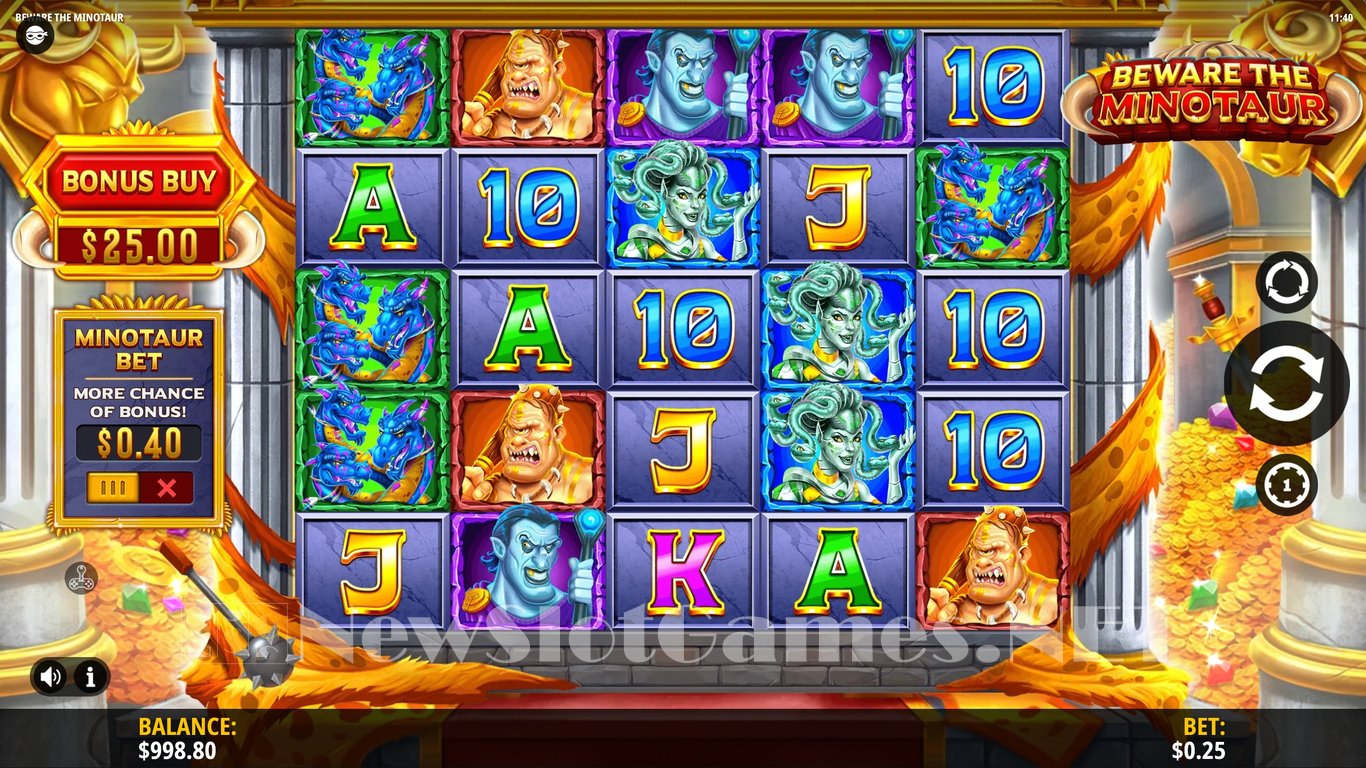
For those who enjoy Rocketon, you can experience it more by digging deeper. Performance data and analytics provide that opportunity. They transform a casual pastime into something more tactical. Once you grasp the data—like the return-to-player rate, how variable the game is, or how often bonus features trigger—you can engage with more awareness. This strategy uncovers the mechanics on the game’s design. You obtain a sharper picture of what may transpire, which improves the experience of Rocketon more captivating and potentially more profitable.
Understanding Return to Player (RTP)
Return to Player is a core number. It indicates the calculated percentage of all money wagered that a game pays back over a extended time. Look at a game with a 96.5% RTP. Over millions of spins, it ought to give back $96.50 for every $100 wagered. Keep in mind, this is a long-term average. It offers no guarantee anything for your next ten-minute session. Rocketon’s own RTP offers you a benchmark. You can compare it to other games and gain a sense of its inherent payout model before you even put down a bet.
Assessing Risk and Volatility
Variance, sometimes variance, reveals a game’s risk. It describes how often you hit and how substantial those wins can be. A high-risk game like Rocketon might pay out large sums, but not very often. Your balance will swing up and down sharply. A stable game does the contrary. It delivers modest payouts more regularly, for a steadier ride. Knowing Rocketon’s volatility aids you manage your funds. It allows you choose a game style that suits your tolerance for risk and your goals for playing.
Main Traits of Risk Degrees
- High Volatility: Large wins are infrequent but striking. This suits players with bigger pockets who are chasing huge payouts.
- Medium Volatility: This is a moderate ground. You’ll encounter a combination of smaller and larger rewards, with average frequency.
- Low Volatility: Wins occur regularly, but they’re usually modest. This extends your gaming session and maintains your balance from fluctuating around too greatly.
Hit Frequency and Reward Allocation
Hit frequency indicates how regularly a spin produces a win. It’s a percentage. A 25% hit frequency implies about one in four spins leads to a payout. Consider Rocketon’s hit frequency combined with its volatility for the complete story. A volatile game frequently has a reduced payout frequency. A low-variance game tends to have a high one. Win distribution figures offers another layer. It shows what percentage of the aggregate payouts originates from small wins versus the jackpots. This details the game’s prize blueprint.
The Function of Bonus Feature Triggers
Bonus features are a key part of Rocketon’s appeal. The stats on how often they occur are key. This information reveals the typical rate for starting special rounds, like free spins or bonus games. Maybe the free spins feature kicks in once every 150 spins, on average. Knowing this probability helps you to feel the game’s rhythm. It sets your expectations while you play. You can also contrast Rocketon to other games. How often does it deliver its most thrilling and potentially lucrative content?
Highest Win Ceiling and Progressive Jackpots
The top payout potential is a vital stat, particularly if you’re chasing a transformative win. This number is the top potential payout, typically shown as a multiplier of your bet, like 5,000x. For Rocketon, this ceiling defines the maximum peak you can win. If the game has progressive prizes, the analytics would show the average size when they are won and how they factor into the overall RTP. This information is crucial. It reveals you the game’s high-end appeal and exactly how rare its largest payouts actually are.
Leveraging Session Data for Individual Strategy
Apart from the game’s official stats, you can learn from your own play. Monitor your session length, your peak balance, and when bonus features occur for you. This personal data provides you real feedback. It might show patterns in how you bet and what results come next. That can result in smarter money management. Suppose your records show you often exhaust funds before hitting a bonus round. You could then modify your bet size or decide to play shorter sessions. You’d be applying your own facts to refine your Rocketon strategy.
Where to Discover Reliable Game Statistics
Obtaining trustworthy data for Rocketon Game means visiting the right places. The most definitive facts usually originate from the game provider’s official sheets or technical documents. Good casino review sites and independent game testers also provide detailed breakdowns, including verified RTP and volatility scores. It’s smart to compare a few reliable sources against each other. Be wary of unverified claims. Always depend on information from established, transparent names in the industry.
- Game Provider’s Website: The developer’s own site usually features game information sheets with certified data.
- Licensed Casino Game Information: Reputable online casinos often display key stats in the game’s information or help menu.
- Independent Review Portals: Specialized iGaming analysis sites conduct deep reviews and sometimes carry out their own statistical checks.
Interpreting Data for Informed Gameplay
To make sense of Rocketon’s analytics, you need to merge all the numbers into one unified picture. A high RTP coupled with high volatility indicates a game that pays back well in the long run. But you’ll need patience and enough funds to survive quiet stretches. On the other hand, a medium RTP with low volatility offers more consistent, smaller returns. The trick is to align the data with what you want. Are you here for long play, or are you aiming for a jackpot? Interpreting the numbers this way enables you to approach Rocketon not as blind luck, but as a thoughtful form of fun.
FAQ
What exactly is the RTP of the Rocketon game?
Consult Rocketon’s information panel or the provider’s official docs for the exact RTP. Titles like this typically have RTPs ranging from 94% and 96.5%. That percentage is the long-term theoretical return. It’s the best place to start when you need to understand how the game pays out.
Is it a high or low volatility game?
Rocketon is usually classified as a medium to high volatility game. You won’t win on every spin, but your wins can be significant when they come. This appeals to players who enjoy the thrill of chasing bigger, less frequent payouts and who have a bankroll that can withstand some dry spells.
How frequently do bonus features trigger in Rocketon?
The bonus feature trigger rates are defined in the game’s design. For Rocketon, free spins or bonus rounds may activate, on average, once every 100 to 200 spins. This frequency adds to the game’s volatility. Feature rounds become exciting events, not something you encounter every few minutes.
Is it possible to use statistics to guarantee a win?
No. Stats like RTP and volatility describe long-term mathematical models across millions of spins. They are unable to predict or change what happens in your short session. These analytics are resources. They assist you make informed choices and set realistic expectations. They do not guarantee any result for an individual player.
What does “maximum win potential”?
The highest possible payout is the biggest payout possible on a one spin or within a bonus feature. It’s usually displayed as a multiple of your bet. For Rocketon, this number sets the maximum possible win you can obtain. Knowing it helps you comprehend the game’s main jackpot and how challenging it is to land.
Where is the most reliable place to check game stats?
The most reliable spots are the game provider’s own website and the information section in the game at a licensed online casino. Reliable third-party casino review platforms that conduct technical analyses are also useful supplementary resources. They supply validated statistics on RTP, volatility, and feature frequency.
Understanding Rocketon’s performance stats changes how you play. It transitions you from trusting randomness to making informed choices. When you grasp indicators like RTP, volatility, and feature frequency, you can tailor your strategy to the game’s design. This knowledge helps you form realistic goals, handle your bankroll more effectively, and engage with Rocketon more thoughtfully. Your decisions will be driven by knowledge, not simple adrenaline.